A Private Life That Casts a Long Shadow
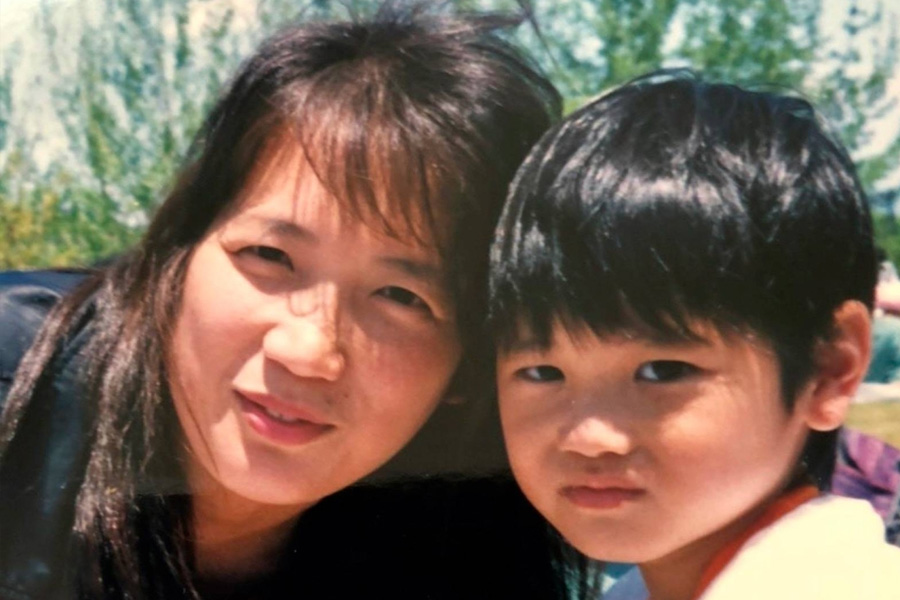
I find Kayoko Ohtani compelling because she represents a kind of strength that rarely asks for a spotlight. She is known to the wider public as the mother of Shohei Ohtani, but that label only tells a sliver of the story. In the material I reviewed, she appears as a former badminton athlete, a working woman, a wife, and a mother who helped shape one of the most closely watched sporting families in Japan. Her life reads like a carefully folded letter, not loud, not flashy, but full of meaning.
Born in 1963, and associated with Yokohama, Kayoko Ohtani is said to have begun badminton in fifth grade. That early start mattered. By junior high school, she had already reached a strong competitive level, and by high school she was linked with a respected badminton environment. Later, she joined Mitsubishi Heavy Industries Yokohama, which suggests a disciplined transition from school sports into the adult world of work and routine. I see a pattern here: movement, effort, restraint, and a steady refusal to turn life into spectacle.
Family Members at a Glance
| Family Member | Relationship | Publicly Noted Details |
|---|---|---|
| Toru Ohtani | Husband | Former amateur baseball player, parent and coach figure |
| Ryuta Ohtani | Son | Born March 20, 1988, works in baseball administration and coaching |
| Yuka Ohtani | Daughter | Private life, reported to work in healthcare |
| Shohei Ohtani | Son | Global baseball star, born July 5, 1994 |
Marriage to Toru Ohtani
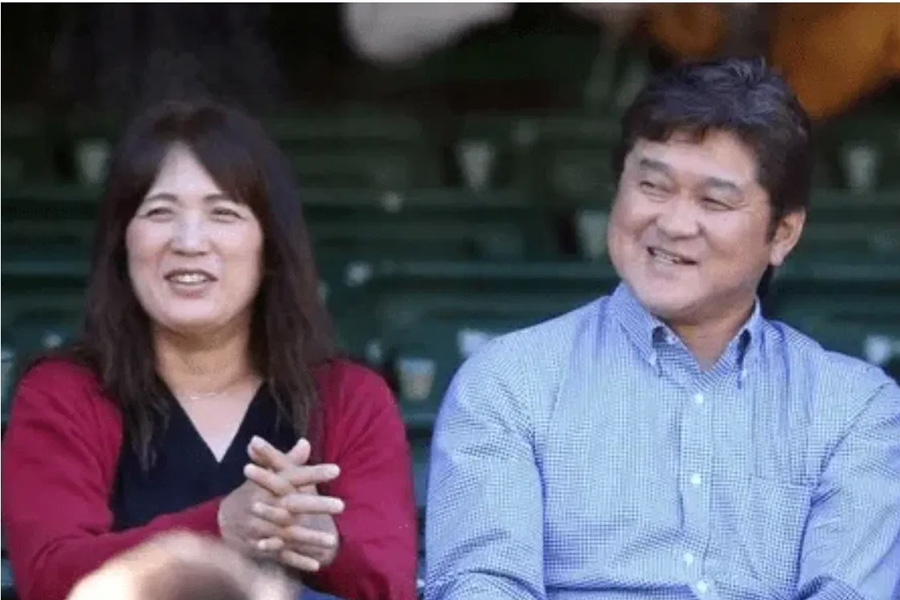
Kayoko married Toru Ohtani in 1986. Their relationship appears to have been shaped by shared athletic discipline and family routine rather than public display. Toru is described as a former baseball player who later became an important guide in Shohei’s development. That means the household was built around sport, but not in a glamorous way. It was more like a training ground that also had dinner, laundry, school schedules, and ordinary life humming in the background.
I think this matters because families like this often get reduced to headlines. Yet the real story is usually quieter. A marriage lasting through years of moves, child-rearing, and long athletic commitments asks for endurance of its own. In Kayoko’s case, the marriage seems less like a sidebar and more like the backbone of the family structure.
Ryuta Ohtani, the Older Son
The oldest child is Ryuta Ohtani, born March 20, 1988. According to public records, he played baseball and was a player-coach before managing Toyota Motor East Japan in January 2025. More than a family note. The Ohtani family’s baseball thread went beyond Shohei. Ryuta continued the sport in his own way for another generation.
The family atmosphere Kayoko helped nurture seems to underpin this. A family doesn’t generate an athlete like a machine does. It shapes habits, expectations, examples, and moods. Ryuta portrays a home where athletics were a craft, not a miracle.
Yuka Ohtani, the Private Daughter
Yuka Ohtani remains much less visible, and that privacy itself says something. Public mentions describe her as a daughter who works in healthcare, reportedly as a nurse, while staying out of the public eye. I respect that. In famous families, not every member wants to become a public character. Some prefer to live like roots under the soil, unseen but essential.
I see Yuka as a reminder that family identity does not have to be broadcast to be real. Her presence adds balance to the family portrait. Not every child in a sports family becomes a headline. Not every life becomes a stadium. Some become service, care, and quiet competence.
Shohei Ohtani and the Family Fame
Shohei Ohtani is the name the world recognizes, but Kayoko’s role in his story is part of what makes the family narrative feel grounded. He was born on July 5, 1994, and grew into one of the most unusual baseball talents of the modern era. The public has long focused on his power, his two-way ability, and his rare mix of calm and force. But behind that image is a mother whose own athletic background and daily habits helped create the environment in which such talent could grow.
One vivid detail from the material stays with me. Kayoko reportedly took young Shohei to badminton practice and noted that he handled the equipment naturally. That image is small, almost ordinary, but it has the feel of a seed dropped into fertile ground. A child picking up a racket, a mother watching with a trained eye, a future building itself one motion at a time.
In 2017, Shohei said he still could not beat his mother in badminton. I like that detail because it turns the usual parent-child hierarchy upside down for a moment. It suggests skill, playfulness, and a family culture where ability was earned, not assumed. Later, in 2018, Kayoko and Toru were reported to be present around Shohei’s MLB debut, which shows that the family’s bond did not dissolve once he became famous. They remained part of the frame, even when the frame became global.
Work, Money, and Independence
One of the most revealing parts of Kayoko Ohtani’s story is her approach to work and money. The material says the family declined Shohei’s offer to help with housing costs and that Kayoko continued working part-time rather than leaning on her son’s fortune. I find this deeply telling. It suggests a family ethic built on self-respect, not dependence.
That ethic gives her story texture. She is not written as someone chasing wealth or visibility. Instead, she appears as someone who kept contributing, even after her son became wealthy enough to reshape sports contracts. That choice carries moral weight. It says that dignity can matter more than convenience. It says a person can stand in the shadow of enormous success and still keep her own posture.
The Family Culture Around Discipline
Repeated discipline, modesty, and repetition weave the Ohtani family story. Toru coached. Kayoko helped. Ryuta played baseball independently. Yuka kept quiet. Shohei became famous worldwide. Same trunk, different branches. This family views sports as a language, not a hobby.
Kayoko’s badminton experience important. She wasn’t just a courtside mama. When she was on the court. Her counsel sounds different. Training, drills, and determination were familiar to her. She understood precision body movement. She knew that improvement comes slowly, like rain on hard ground.
Public Image and Private Reality
Kayoko Ohtani’s public image remains limited, and that is part of her identity. She is discussed mostly through family relationships, athletic history, and the occasional human detail that breaks through the noise. In a media environment that loves to inflate every name into a brand, her restraint feels almost radical.
I think there is something elegant in that. Not every important life announces itself with speeches. Some lives are built through meals, commutes, school runs, work shifts, and repeated encouragement. Some lives are the scaffolding behind a house everyone else admires from the street.
FAQ
Who is Kayoko Ohtani?
Kayoko Ohtani is a Japanese former badminton player and the mother of Shohei Ohtani. She is also the wife of Toru Ohtani and the mother of Ryuta, Yuka, and Shohei.
What is known about her athletic background?
She began badminton in fifth grade and later reached a high level in school competition. Her background appears to have influenced the family’s broader athletic culture.
Is Kayoko Ohtani a public figure?
Not in the usual celebrity sense. She is publicly known because of her family, but she has generally kept a private life and rarely seeks media attention.
How many children does she have?
She has three children: Ryuta, Yuka, and Shohei.
What stands out most about her life story?
For me, it is the combination of athletic discipline, family steadiness, and personal independence. She seems to have built a life with strong lines and little noise, which makes her story linger.