Early life and origins
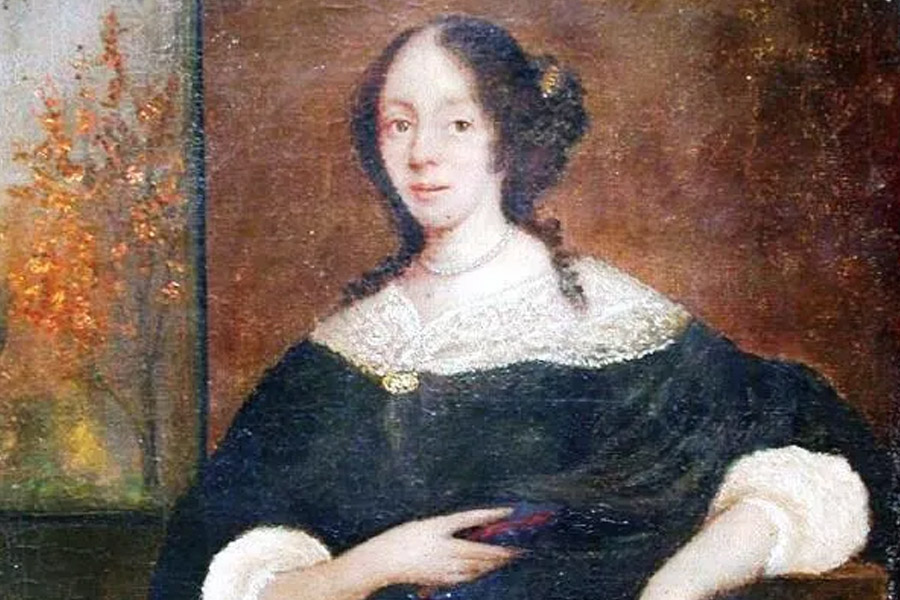
I love beginnings, the sparks that light family trees. In colonial New England, the Boylston family was well-connected and discreet. She was born in Brookline on March 5, 1708. In this life, 1708, 1734, 1735, 1797 matter. Dates are anchors. She married a local farmer and deacon in 1734 and had a son in 1735 who would become a key figure in a new nation. Her quiet, patient life is the foundation for that rise.
Household, work, and the shape of daily life
Household was her office. Managing farm accounts, stewarding supplies, tending illness, and raising children added up to work measured in seasons, not salaries. I picture a ledger held in the mind rather than on paper. She became a widow in 1761 and remarried in 1766, shifts that changed domestic stability and the rhythm of the home. Those personal tides influenced education choices, apprenticeships, and the opportunities that a son like John would later use.
Family at a glance
| Family member | Relationship | Quick introduction |
|---|---|---|
| John Adams | Eldest son | Born October 30, 1735. A lawyer, diplomat, signer of key documents, and the 2nd President of the United States. His temperament and ambitions were shaped by the household he left behind. |
| Peter Boylston Adams | Second son | Born 1738. Local farmer and militia officer. He kept the family presence in town affairs and embodied the link between private life and public service. |
| Elihu Adams | Youngest son | Born 1741. Served in local militia during the outbreak of conflict in 1775 and died while in service. His fate is a reminder that private grief often shadowed public event. |
| John Adams Sr. | First husband | Married to Susanna in November 1734. Known as Deacon John. His farm and local role provided the immediate world where the children learned duty and discipline. |
| John Hall | Second husband | Married October 17, 1766. His relationship with the grown Adams sons was reportedly strained, a late chapter that shifted domestic alliances. |
| John Quincy Adams | Grandson | Son of John Adams and Abigail. Born 1767, later the 6th President. He carried forward the civic legacy begun by the household of his grandmother. |
| Abigail Adams Smith | Granddaughter | Known as Nabby. She appears in family letters and memories as the intimate connective tissue across generations. |
| Charles Adams | Grandson | Part of the same generation as John Quincy, his life was entangled with the political and personal burdens that came with family prominence. |
| Zabdiel Boylston | Cousin | A noted physician in earlier generations, his public role shows that the Boylston network included practitioners and public figures. |
| Ward Nicholas Boylston | Cousin and benefactor | His later philanthropy highlights how family name and resources circulated into institutions of learning. |
Places that mattered
The geography of a life is its map of decisions. The family moved, stayed, and buried their dead in towns like Braintree and Quincy. These are not just pins on a map. They are the stages where children learned to argue, where militia mustered, and where graves recorded the ledger of births and deaths.
What I notice about character and influence
She rarely writes public letters. She appears through others like a strong wind that moves branches but leaves no leaf. Her existence paradoxically demonstrates influence without authorship. In that era, mothers developed careers by teaching thrift, shaping character, and managing little crises that would collapse the ambitious. I see her as a stabilizer, a matriarch, but that’s too direct. She was the quiet scaffold.
Finances and material footprint
I do not have account books spelled out here, only traces. Family land, local standing, and Boylston connections supplied capital in the broad sense. Her husband was a farmer and deacon, roles that produced steady if modest means. The Boylston relations included professionals and patrons, so the household sat at the intersection of social capital and practical earnings. The monetary story is implied rather than itemized.
An extended timeline in numbers
- 1708: Birth March 5.
- 1734: Marriage on November 23.
- 1735: Birth of eldest son on October 30.
- 1738: Birth of second son.
- 1741: Birth of youngest son.
- 1761: Death of first husband.
- 1766: Remarriage on October 17.
- 1797: Death on April 21.
Each date is a stone on a path. Together they form a measured pace across nearly nine decades.
FAQ
Who was Susanna Boylston Adams in relation to national history?
She was the mother of a founding figure and the matriarch whose household habits and family ties helped shape political careers that followed. Her influence is indirect but substantial.
Did she write letters or leave memoirs?
I have found few if any personal letters attributed directly to her. Her voice survives mostly in the recollections and papers of her children and descendants.
What were her primary responsibilities?
Managing the household, overseeing domestic economy, raising children, and maintaining social ties. Those responsibilities were the backbone of the private sphere that supported public achievement.
Which children of hers became historically prominent?
Her eldest son became President in 1797, and a grandson later became President in 1825. Those two careers bracket the sweep of the family story.
Where can physical traces of her life be seen today?
Birthplaces, family homes, and cemeteries in Braintree and Quincy hold the marks of the family life. The landscape still remembers the dates that I list above.
How should I think about her legacy?
Think of her as a steady current under a river of public deeds. The current is not the shout that makes history, but without it the surface would not move as it did.